
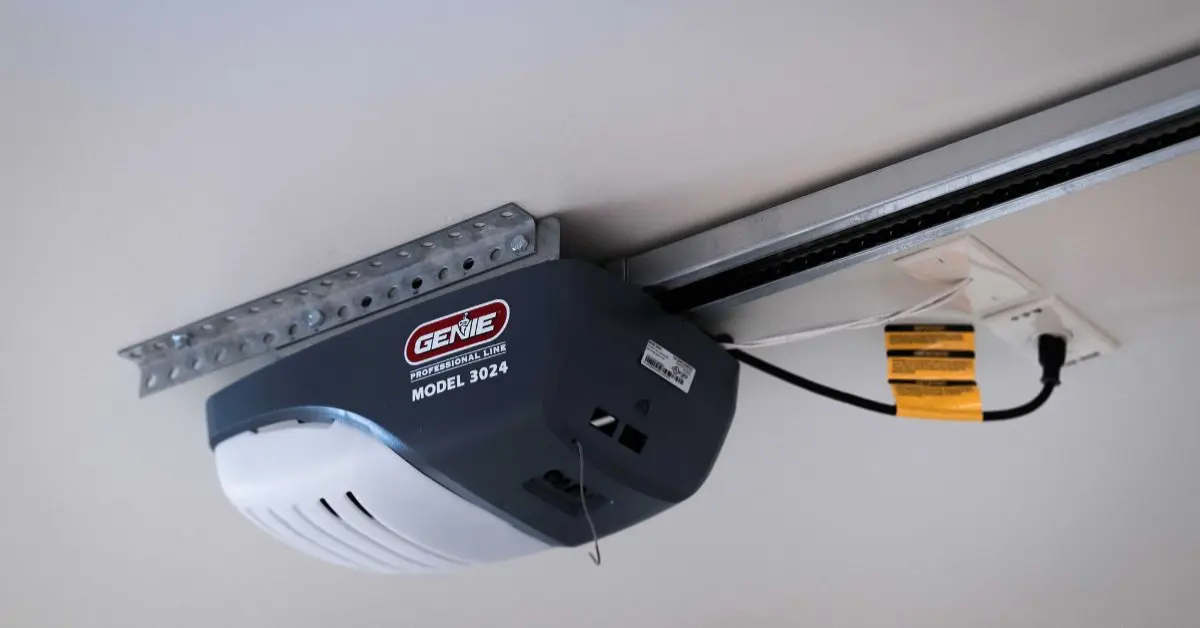
Your garage entrance is probably the most significant moving part of your home. It goes up and down multiple times each day. That’s why garage door opener safety matters so much for your family. We’ve seen too many accidents happen when safety features aren’t working correctly. Modern systems have multiple safety mechanisms built in. But these only work if you understand and maintain them properly. Let’s walk through everything you need to know about keeping your system safe.
Understanding Modern Garage Door Opener Safety Features
Every automatic garage door built after 1993 has required safety features by law. These aren’t just nice extras – they’re essential protection for your family. The most important safety feature is the photo eye sensor system. These sensors create an invisible beam across your garage opening. When something breaks that beam, the system stops and reverses automatically.
Your garage door opener also has force settings that control closing pressure. If it hits something while closing, it should reverse immediately. This protects kids, pets, and anything else that might be underneath. Most systems also have manual release cables for emergencies. These let you operate the mechanism by hand if the power goes out.
How Safety Sensors and Photo Eyes Work
Safety sensors sit about six inches above the ground on each side. They shoot an invisible infrared beam between them constantly. When you close the garage, these sensors check that nothing’s in the way. If a toy, bike, or person breaks the beam, everything stops instantly. The sensors then make sure that the system reverses back up.
Both sensors need perfect alignment to work correctly. Even a small bump can knock them out of position. You’ll know there’s a problem when closing doesn’t work correctly. The opener light might flash, or you’ll hear clicking sounds. Regular checks help prevent these sensor problems before they become dangerous.
Testing Your Garage Door Safety Systems
Testing your garage door opener safety features takes just a few minutes each month. Start by placing a 2×4 board flat on the ground under the opening. Press the button to close and watch what happens. The system should reverse as soon as it touches the board. If it doesn’t reverse or pushes down hard, stop using it immediately.
Next, test the photo eye sensors with a simple wave test. Start the closing process, then wave a broom handle through the sensor beam. Everything should stop and reverse right away. Try this from different angles to make sure coverage is complete. These quick tests can prevent serious accidents and keep your family safe.

Checking the Auto-Reverse Feature
The auto-reverse feature is your garage’s most critical safety component. Here’s how to test it properly. First, open it completely and place a roll of paper towels underneath. Hit the button to close and watch carefully. The system should reverse within two seconds of hitting the towels.
Some older garage door systems might need adjustment to pass this test. The force settings control how much pressure triggers the reverse. Too much force is dangerous, but too little causes false reversals. Finding the right balance keeps your garage door opener’s safety features working perfectly. Test this monthly to catch problems early.
Cable Problems and Safety Concerns
Smart garage door opener technology adds new layers of protection for your home. These systems send alerts to your phone when an opening or closing happens. You can check if you forgot to close from anywhere. Some smart garage systems even close automatically after a set time.
Modern smart garage openers include rolling code technology for security. This changes your remote’s code every time you use it. Hackers can’t copy your signal to break in later. Many systems also have vacation modes that disable remote operation completely. These features work alongside traditional garage door opener safety standards for maximum protection.
Here’s what to look for in a smart system:
- Real-time alerts for any movement
- Automatic closing timers with warnings
- Integration with home security systems
- Camera options to see who's coming and going
- Battery backup for power outages
Troubleshooting Common Sensor Problems
When your garage won’t close, sensors are usually the culprit. First, check for obvious blockages like spider webs or dirt. Even small obstructions can prevent sensors from working properly. Clean both lenses gently with a soft cloth and mild cleaner. Make sure nothing is blocking the path between sensors.
Alignment issues cause most sensor problems, and cleaning doesn’t help. Look for the indicator lights on each sensor. Green usually means aligned, while red or blinking means trouble. Gently adjust one sensor until both lights stay solid. Sun glare can also interfere with sensors during certain times. Installing sun shields often solves this issue without professional help.

When to Call for Garage Door Repair
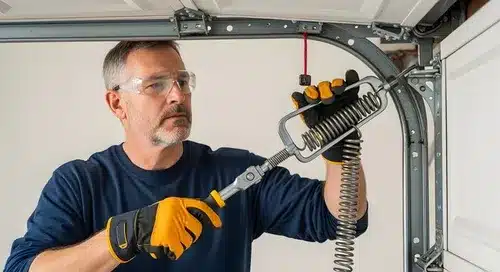
Some garage door opener safety issues need professional attention right away. If your system doesn’t reverse during testing, stop using it immediately. Broken springs or cables are extremely dangerous to handle yourself. These parts are under massive tension and can cause serious injuries.
Call a precision door specialist when you hear grinding or scraping sounds. These noises often mean worn gears or track problems. Attempting DIY fixes on these issues usually makes things worse. Professional garage door repair ensures your safety features work correctly. They have the right tools and training to handle dangerous components safely.
Keeping Your Garage Door Operating Safely
Regular maintenance is the key to garage door opener safety for years. Lubricate moving parts every six months with garage-specific lubricant. Check that all bolts and brackets stay tight. Test the balance by disconnecting the opener and lifting manually. The system should stay put when lifted halfway up.
Visual inspections help catch problems before they become dangerous. Look for fraying cables, rust, or bent tracks monthly. Make sure that the door opens and closes smoothly without jerking. Keep the area around your garage clear of clutter. Teach kids never to play near or under moving systems. These simple habits prevent most garage accidents.
Your garage door opener’s safety features only work when properly maintained.
Set reminders to test safety systems monthly. Address any issues immediately rather than putting them off. A well-maintained system protects your family and lasts much longer. Stay safe by staying proactive with your garage care.
Frequently Asked Questions
Q: How often should I test my garage door safety sensors?
A: Test your safety sensors monthly. It takes just two minutes to check. Wave something through the beam while closing happens. The system should stop and reverse immediately. Also, test the auto-reverse with a 2×4 board monthly. Mark your calendar to make it a regular habit.
Q: Why won't my garage close even when nothing's blocking it?
A: Usually, this means misaligned sensors or dirty lenses. Check that both sensor lights are solid, not blinking. Clean the lenses with a soft cloth. Direct sunlight can also interfere with sensors at certain times. Try closing at a different time or installing sensor hoods.
Q: Can I bypass safety sensors if they're broken?
A: Never bypass safety sensors, even temporarily. They’re required by law for good reason. Bypassing them puts your family at serious risk. Most sensor issues are simple fixes like alignment or cleaning. If these don’t work, call a professional right away. Your safety is worth more than convenience.
Q: How do I know if my garage springs are dangerous?
A: Look for gaps in the spring coils or rust buildup. Listen for squeaking or grinding sounds during operation. If the system feels heavy when lifting manually, springs may be failing. Never attempt to adjust or replace springs yourself. They’re under extreme tension and can cause severe injuries. Always call a professional for spring issues.
Q: What's the lifespan of garage safety sensors?
A: Quality sensors typically last 10-15 years with proper care. Cheaper models might fail after 5-7 years. Environmental factors like moisture and temperature extremes affect lifespan. Replace sensors if they frequently malfunction despite cleaning and alignment. Upgrading to newer models often improves reliability and adds features.
Q: Should kids know how to use the emergency release?
A: Yes, older kids should know the emergency release location and operation. Teach them it’s only for real emergencies. Practice pulling the red cord with them present. Explain that the mechanism becomes heavy after release. Make sure they understand never to use it as a toy. Keep the release cord high enough that small children can’t reach it.