
Picking the right size for your 2-car garage door can feel overwhelming. Trust me, we get asked about this every single day. There are so many options out there, and making the wrong choice leads to headaches. The good news? Once you understand standard sizes, the decision becomes much easier. We have helped countless homeowners find their perfect fit. In this guide, we break down everything you need to know. From dimensions to installation, we cover it all so you can make a confident choice.
Standard 2-Car Garage Door Sizes You Should Know
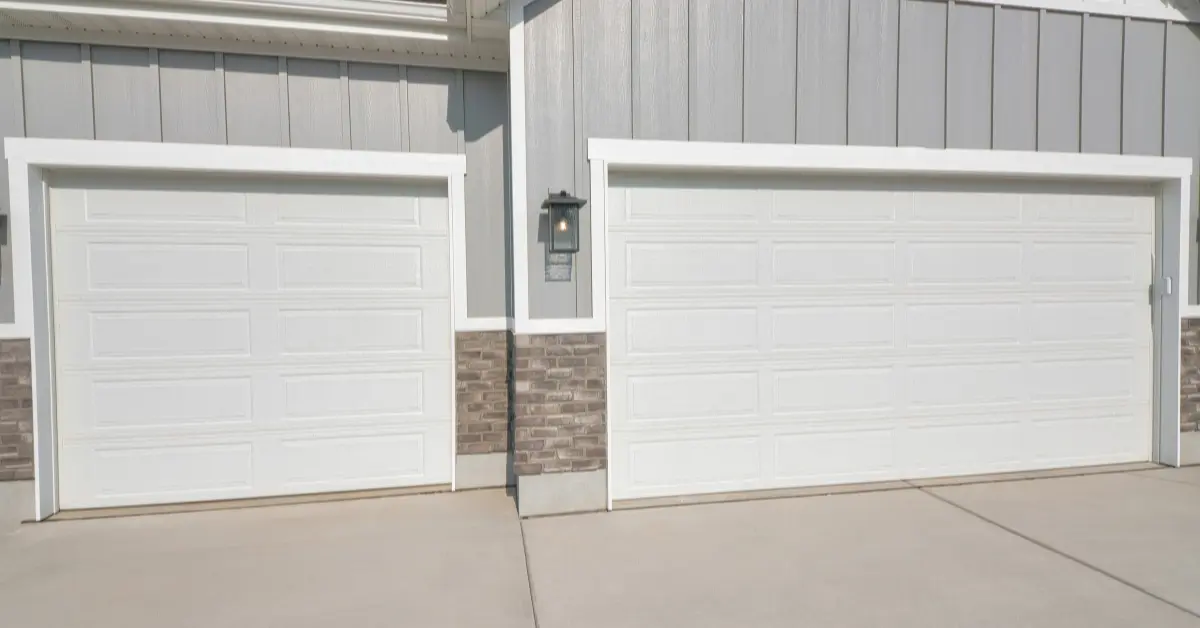
Let’s start with the basics. The most common 2-car garage door measures 16 feet wide by 7 feet tall. This 16×7 size fits most residential setups perfectly. We install this configuration more than any other because it works for typical two-car spaces.
However, not every home follows the exact blueprint. Some openings need units that are 8 feet tall instead. This extra height accommodates larger vehicles, such as trucks and SUVs. We constantly measure before recommending a size. Custom sizes exist, too, for unique situations. The key is matching your selection to your actual opening, not just guessing.
Double vs Single Options for Your Space
Here is a question we hear often. Should you get one double unit or two single units? Both have their place, and we have installed plenty of each style.
A double setup gives you one large opening. This makes parking easier since there is no center post blocking your view. Single units work better for some homeowners, however. They offer more flexibility if one side breaks. You can still use the other while waiting for repairs. Cost-wise, two singles typically run a bit higher than one double.
Width and Height Options for Your 2 Car Garage
Standard sizes vary more than people realize. For a 2-car garage, widths typically range from 14 to 18 feet. The 16-foot wide option remains the most popular by far. Height options usually range from 7 to 8 feet.
We measure every opening carefully before ordering. Even a half-inch matters with these installations. Your 2-car garage door needs to fit snugly without gaps. Gaps let in weather, pests, and reduce energy efficiency. Getting the width and height right from the start saves money and frustration later.

Benefits of a New 2-Car Garage Door Replacement
Upgrading to a new unit does more than improve looks. A 2-car garage door replacement boosts your home’s curb appeal instantly. We see property values increase after these installations regularly.
Modern options also operate more smoothly and quietly. If your current setup squeaks and groans, a replacement changes everything. Newer residential models come with better safety features, too. They include sensors that prevent accidents with kids and pets. A premium selection pays for itself through energy savings and increased home value over time.
Why Insulation Matters for Your Investment
Insulation is something many homeowners overlook. An insulated unit keeps your space comfortable year-round. This matters especially if the space connects to your living areas.
Without proper insulation, hot and cold air seeps right through. Your HVAC system works harder, and energy bills climb. Insulated options solve this problem efficiently. We recommend them for anyone in extreme climates. The upfront cost pays off through lower utility bills. Plus, insulated models tend to be quieter during operation.

Choosing the Right Opener for Your Double Setup
Your opener needs to match your unit’s size and weight. A 2-car garage door weighs significantly more than single models. This means you need equipment with enough power to handle the load.
Here are factors we consider when recommending openers:
- Unit weight and size requirements
- Noise level preferences for attached spaces
- Smart home compatibility features
- Battery backup for power outages
- Chain versus belt drive options
We always match the opener to the specific installation. An undersized motor struggles and burns out quickly. Trust a professional to pair these components correctly for lasting performance.
Torsion Spring Systems and Safety
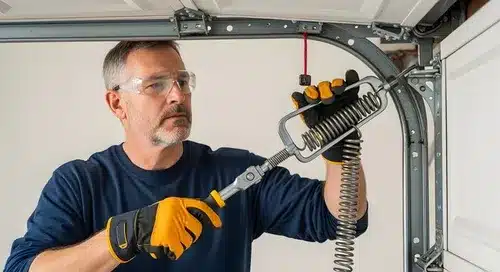
The torsion spring system does the heavy lifting for your 2-car garage door. These springs store tremendous energy to raise and lower heavy units smoothly. They make the operation feel almost effortless.
However, torsion springs are dangerous when handled incorrectly. We have seen DIY attempts go wrong too many times. A spring under tension can cause serious injury instantly. Professional technicians know how to handle these components safely. We use proper tools and techniques developed through years of experience. Never attempt to adjust or replace torsion springs yourself.
Professional Installation for Your 2-Car Garage Door
Getting your 2-car garage door installed professionally matters more than you might think. Proper installation ensures everything operates safely and smoothly. We align tracks precisely and balance springs perfectly.
A poorly installed unit causes problems from day one. It might not seal properly against the weather. The opener might strain against misaligned tracks. Panels can warp or crack under uneven pressure. Professional installation prevents all these issues. We guarantee our work because we know it is done right. Your investment deserves expert care from start to finish.
Find the Perfect Fit for Your Home
Choosing the right size transforms how you use your space daily. We have walked you through standard sizes, comparisons, and installation importance. Now you have the knowledge to make a smart decision.
Whether you need a standard 16×7 or something custom, the right fit exists for your home. Consider your vehicles, storage needs, and climate when deciding. Think about insulation and opener requirements, too. Most importantly, work with experienced professionals who do this work every day. Your 2-car garage door is a major investment. Make sure it is sized, selected, and installed correctly for years of reliable service.
Trust our expertise to install your new garage door today! Don’t let your old door sit there doing nothing.
Frequently Asked Questions
Q: What is the most common 2-car garage door size?
A: The most popular size measures 16 feet wide by 7 feet tall. This standard dimension fits most residential two-car setups perfectly. However, homes with taller vehicles often need 8 feet of height instead. We always recommend measuring your actual opening before purchasing. Every space differs slightly, and accurate measurements prevent costly mistakes during installation.
Q: How much does a 2-car garage door replacement cost?
A: Prices typically range from $800 to $4,000, depending on materials and features. Basic steel units cost less than premium insulated options. Carriage style selections and custom sizes increase the price further. Installation adds several hundred dollars to the total. We provide free estimates so you know exactly what to expect before committing to any purchase.
Q: Can I install an opener myself?
A: While technically possible, we strongly advise against DIY opener installation. Improper setup creates safety hazards and voids warranties. The opener must match your unit’s weight and size precisely. Professional installation ensures proper alignment and programming. Most importantly, professionals handle dangerous spring tension safely. The cost of expert help prevents expensive repairs later.
Q: How long does this type of unit last?
A: Quality units typically last 15 to 30 years with proper maintenance. Springs usually need replacement every 7 to 12 years, depending on usage. Regular lubrication and inspections extend lifespan significantly. Climate and frequency of use affect longevity, too. We recommend annual maintenance checks to catch small problems before they become major repairs.
Q: What is the difference between torsion and extension springs?
A: Torsion springs mount horizontally above the opening. They twist to store energy and provide smoother operation. Extension springs stretch along the sides and work through tension. Torsion systems handle heavier units better and last longer. Most modern two car installations use torsion springs. They cost more initially but offer superior performance and safety overall.
Q: Should I choose an insulated or non-insulated option?
A: We recommend insulated models for most homeowners. They regulate temperature better, especially in attached spaces. Insulated units also operate more quietly and resist dents better. Non-insulated options work fine for detached structures in mild climates. Consider your climate, usage, and budget when deciding. The energy savings often offset the higher upfront cost within a few years.