
You press the button, your door opens, but nothing lights up. Sound familiar? A garage door light that won’t turn on is one of the most common calls we get. The good news is that most problems have simple explanations. Sometimes it’s the bulb. Sometimes it’s the opener itself. Either way, you don’t have to fumble around in the dark. Let’s walk through what’s probably going on and how to fix it.
Common Reasons Your Garage Door Light Stops Working
We see this issue all the time in our line of work. The most obvious culprit is a burned-out bulb. It happens to everyone eventually. But if you’ve already swapped in a new one and still have no light, something else is going on. The socket might be loose or corroded. Vibrations from the door moving can shake connections loose over time.
Another thing we check is the light timer setting on the opener. Most units have an adjustable timer that controls how long the light stays on. If someone accidentally changed it, the light might shut off immediately. We’ve also seen cases where the light feature was simply turned off in the settings. It’s worth checking before you assume the worst.
How Your Garage Door Opener Controls the Lighting System
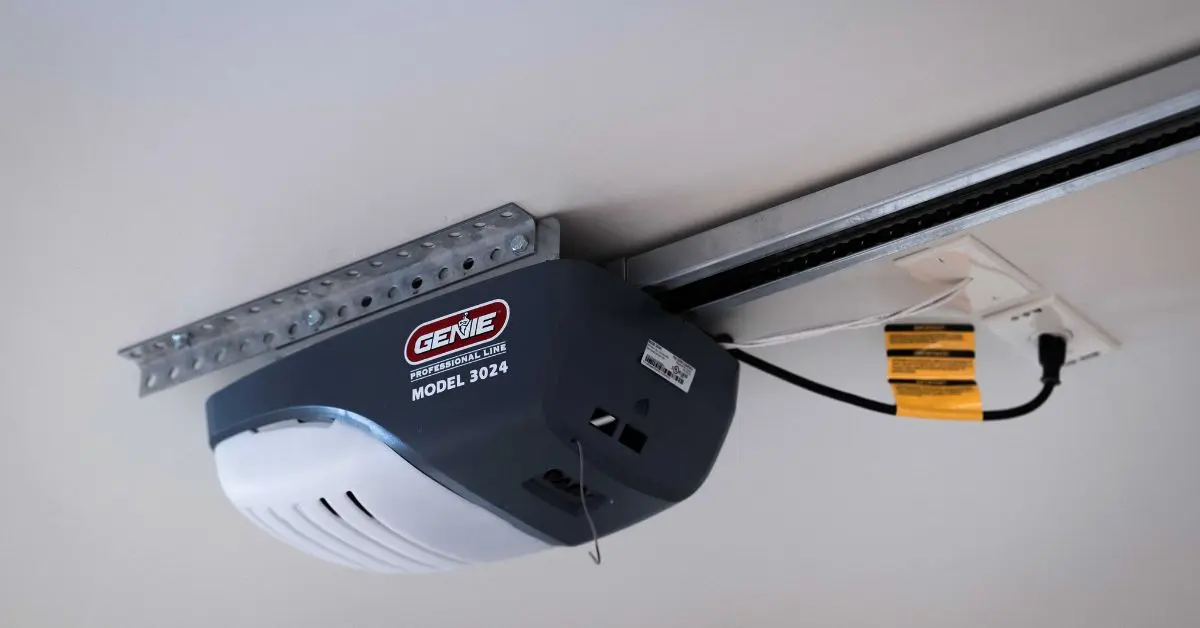
Your garage door opener does more than just move the door up and down. It also manages the lighting system built into the unit. When you activate the opener, it sends power to the light socket. The circuit board inside controls this function. If that board has issues, your garage door light won’t respond even with a good bulb.
The wiring between the circuit board and socket can also fail. We’ve repaired plenty of openers where a single loose wire caused the whole lighting problem. These connections handle a lot of vibration daily. Over time, they can work themselves free. A quick inspection usually reveals the issue.

Why LED Light Bulbs Can Interfere with Your Opener
Here’s something many homeowners don’t know. Standard LED light bulbs can actually mess with your garage door opener. LEDs contain small electronic components that emit radio frequency interference. This interference can disrupt the signal between your remote and the opener. Your light might work fine, but suddenly your remote stops functioning properly.
We always recommend buying LED garage door opener light bulbs specifically designed for this use. These bulbs are shielded to prevent interference. They cost a bit more, but they save you headaches down the road. Trust us, we’ve seen too many people replace their entire opener when the real problem was just the wrong bulb type.
Choosing the Right LED Garage Light for Your Fixture
Not all bulbs work well in every fixture. Your garage door opener has specific requirements. First, check the maximum wattage your socket can handle. Using a bulb that’s too powerful creates heat problems. LED garage light options run much cooler than old incandescent bulbs, which helps.
The shape matters too. Some openers have enclosed fixtures that need specific bulb shapes. A bulb that’s too large won’t fit properly. We recommend bringing your old bulb to the store for comparison. Or better yet, check your opener’s manual for exact specifications. This simple step prevents returns and frustration.

What Lumen Output and UL Rating Actually Mean
When shopping for bulbs, you’ll see terms like lumen and UL listed on the package. Lumen measures brightness, not wattage. A higher lumen number means more light output. For most garages, something between 800 and 1600 lumens works great. You want enough light to see clearly without blinding yourself.
The UL rating indicates the bulb meets safety standards. Always choose UL-listed products for your garage door light replacement. This certification means the bulb passed rigorous testing. It’s especially important for enclosed fixtures where heat can build up. Don’t skip this detail when making your purchase.
Quick Fixes to Get Your Garage Door Light Working Again
Before calling anyone, try these simple steps yourself. They solve most garage door light problems we encounter:
- Check if the bulb is screwed in tightly
- Test the bulb in another socket to confirm it works
- Look for a light button on your wall control panel
- Reset the opener by unplugging it for 30 seconds
- Clean any corrosion from the socket with a dry cloth
These basic checks take just a few minutes. We’ve had customers call us out only to discover the bulb was barely finger-tight. A quick twist fixed everything. Save yourself a service call by ruling out the obvious stuff first. If none of these work, then it’s time for professional help.
When to Call a Pro for Your Garage Door Light Issues
Some problems go beyond DIY territory. If you’ve tried new bulbs and basic troubleshooting with no luck, the issue is likely electrical. Circuit board failures require professional diagnosis. We have the tools to test voltage and trace wiring problems safely. Working with electrical components without proper knowledge is risky.
Also call a pro if you notice burning smells or see scorch marks near the socket. These signs indicate serious problems that need immediate attention. Your garage door light issue might point to bigger electrical concerns. We’d rather catch these early than have them cause real damage. Outside lighting and interior fixtures all deserve proper care.
Keep Your Garage Light Bright and Reliable
A working garage door light makes your daily routine easier and safer. You shouldn’t have to pull into a dark space every evening. Most lighting issues have straightforward solutions once you understand the system. Start with the basics like checking your bulb and settings. Move on to choosing the right LED garage door opener bulbs designed for your equipment.
When simple fixes don’t work, don’t hesitate to reach out to professionals. We handle these repairs regularly and can diagnose problems quickly. Your garage deserves proper lighting that works every single time. Take care of this space, and it’ll serve you well for years to come.
Frequently Asked Questions
Q: Can I use any LED bulb for my garage door opener light?
A: No, regular LED bulbs often cause interference with your opener’s remote signal. The electronics inside standard LEDs emit frequencies that disrupt communication. We recommend buying LED bulbs specifically labeled for garage door openers. These have built-in shielding that prevents problems. Spending a few extra dollars on the right bulb saves major headaches later.
Q: Why does my garage door light flicker before going out?
A: Flickering usually indicates a loose connection or a dying bulb. The socket contacts might be worn or corroded. Vibration from the door moving shakes things loose over time. Try cleaning the socket and ensuring the bulb is tight. If flickering continues, the socket itself may need replacement by a technician.
Q: How long should my garage door opener light stay on?
A: Most openers have adjustable timers ranging from 90 seconds to 4.5 minutes. The default setting is typically around 2.5 minutes. Check your owner’s manual to adjust this setting. Some wall control panels have a light button that lets you control it manually. You can customize the duration to match your needs.
Q: Will a higher wattage bulb make my garage door light brighter?
A: With LEDs, focus on lumens rather than wattage for brightness. A higher lumen rating means more light output. However, never exceed your fixture’s maximum wattage rating. This can cause overheating and damage. Most garage applications work well with 800 to 1600 lumens, regardless of the actual wattage consumed.