
Picking the right drive garage door opener can feel overwhelming. There are so many options out there today. Chain drives, belt drives, screw drives, and now smart models too. Each drive garage door opener type works differently and fits different needs. I’ve installed hundreds of these systems over the years. Trust me when I say the right choice makes a huge difference. Your garage door will run smoother and last longer with proper selection. Let’s break down each type so you can make the best decision for your home.
What Is a Drive Garage Door Opener?
A drive garage door opener is the motorized system that lifts and lowers your door. It mounts on your ceiling and connects to the door through a rail system. The “drive” part refers to how the opener moves the door along that rail. There are three main types you’ll find in most homes today. Chain drives use a metal chain. Belt drives use a rubber belt. Screw drives use a threaded steel rod.
I’ve worked with all three types extensively throughout my career. Your choice depends on factors like noise tolerance, budget, and usage frequency. Some homeowners prioritize quiet operation above everything else. Others want the most affordable option available. Understanding how each drive garage door opener functions helps you pick wisely. Let’s look at each one closely.
Chain Drive Systems Explained
Chain drive openers are the oldest and most common type on the market. They use a metal chain to pull the trolley along the rail. This trolley connects to your door and does the heavy lifting work. Think of it like a bicycle chain, but much stronger and built for daily use.
These systems are true workhorses in the industry. They’re affordable and reliable for standard residential doors. I recommend them for detached garages where noise isn’t a concern. The chain creates vibrations that travel through your ceiling. If your garage is attached to your living space, you’ll definitely hear it operating.

Why Chain Drives Stay Popular
Cost keeps chain drives at the top of many shopping lists year after year. They’re typically the most budget-friendly drive garage door opener option you’ll find. You get solid performance without breaking the bank on installation costs.
Durability is another big factor homeowners appreciate. Chain drives have been around for decades with proven results. The technology is reliable and replacement parts are easy to find. When something wears out, repairs are straightforward and affordable. I’ve seen chain drive systems last 15 to 20 years with proper care. That’s impressive for the investment.
Belt Drive Garage Door Opener for Ultra-Quiet Homes
A belt drive garage door opener uses a reinforced rubber belt instead of a chain. This simple swap makes a massive difference in noise levels during operation. The belt glides smoothly without any metal-on-metal contact. Your door opens and closes almost silently every single time.
I always recommend belt drives for attached garages without hesitation. Bedrooms above the garage? Get a belt drive. Home office near the garage? Belt drive all the way. These ultra-quiet systems won’t disturb anyone in your home. The rubber belt also reduces vibration significantly. You won’t feel that rumble through your floors and walls. They cost more upfront but deliver serious value.

Screw Drive Garage Door Opener Mechanics
Screw drive systems work differently from chains and belts entirely. A threaded steel rod rotates to move the trolley along the rail. This design has fewer moving parts than the other types available. Fewer parts often means less maintenance throughout the system’s life.
These openers work well in moderate climates primarily. Temperature swings can affect the lubricant on the threaded rod negatively. Extreme heat or cold may cause performance issues over time. I’ve installed screw drives in many homes with good results though. One advantage is speed. This drive garage door opener type typically opens doors faster than others. They’re quieter than chain drives but not as silent as belt drives.
The Motor That Powers Your System
Every drive garage door opener relies on a motor to do the work. Motors come in different power levels, measured in horsepower ratings. Most residential doors need between half and one horsepower to operate properly. Heavier doors require stronger motors to function correctly.
Double garage doors or insulated doors weigh significantly more than standard options. Don’t skimp on motor power when choosing your system. An underpowered motor works harder and wears out faster over time. I’ve seen this mistake cost homeowners extra money repeatedly. Modern motors include safety features like auto-reverse protection. Motor quality directly impacts how long your drive garage door opener lasts overall.
Smart Garage Door Opener Features and Genie Options
Smart garage door opener technology has changed the game completely. You can now control your door from anywhere using your smartphone. Forgot to close the garage before leaving? No problem at all. Check and close it remotely with one tap.
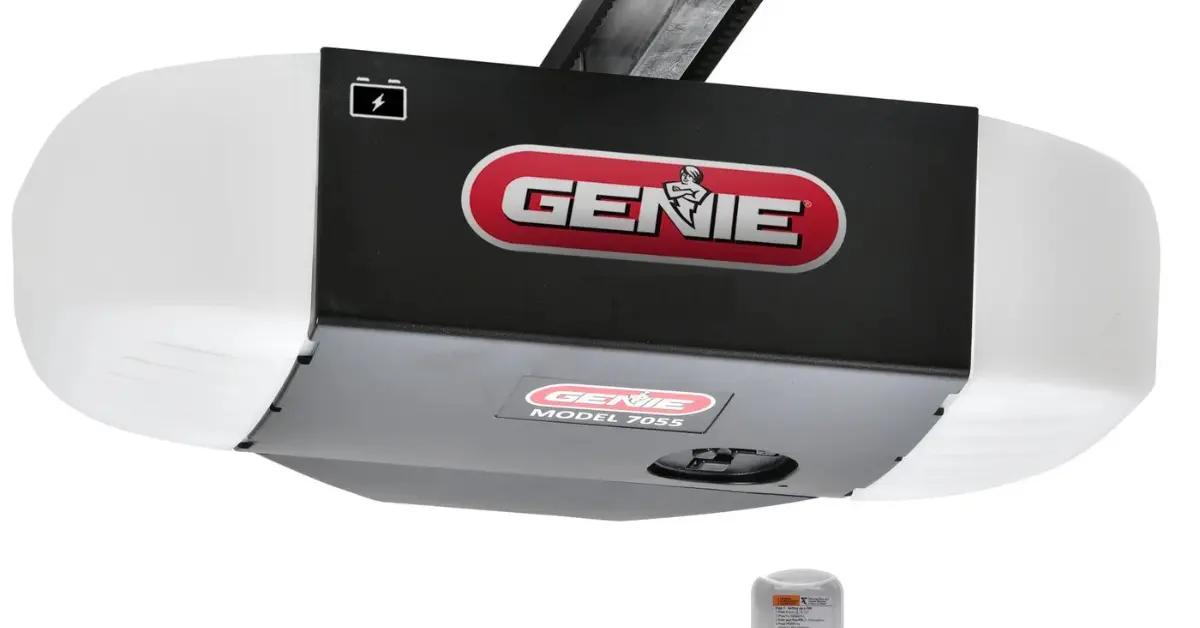
Genie makes some excellent smart-enabled openers worth considering. Their systems integrate with popular smart home platforms seamlessly. You can even use voice commands through Alexa or Google Assistant. The convenience factor is hard to beat these days. Smart features also include activity alerts for added security. You’ll know exactly when someone opens the garage door. I’ve been installing more smart drive garage door opener systems lately.
When to Consider a Drive Garage Door Opener Replacement
Your drive garage door opener won’t last forever unfortunately. Most systems run well for 10 to 15 years total. After that, problems start popping up more frequently. Knowing when to replace saves you from unexpected failures.
Watch for these warning signs:
- Frequent breakdowns requiring multiple repairs
- Excessive noise that keeps getting worse
- Slow operation or jerky movements
- Safety features that stop working properly
- Cannot connect with modern smart devices
Replacement makes more sense than constant repairs at some point. A new drive garage door opener works more reliably from day one. You also get updated safety features and modern technology included.
Trust the Experts for Your Next Installation
Installing a drive garage door opener looks simple in online videos. YouTube makes everything seem easy to accomplish yourself. But there’s real complexity involved with these systems. Incorrect installation leads to safety hazards and premature failure consistently.
Professional installers ensure proper mounting and alignment every time. They calibrate safety sensors correctly and verify motor compatibility. These details matter more than most people realize initially. I’ve fixed countless DIY installations gone wrong over the years. The opener works poorly or breaks down quickly without proper setup. A qualified technician gets your new drive garage door opener running perfectly. You get warranties and peace of mind included with professional service.
Frequently Asked Questions
Q: What is the quietest type of drive garage door opener available?
A: Belt drive openers are the quietest option on the market today. They use a rubber belt that glides silently along the rail. I install these in homes where bedrooms sit above the garage regularly. You barely hear them operating. If noise bothers you, belt drives are worth the extra investment every time.
Q: How long does a typical drive garage door opener last?
A: Belt drive openers are the quietest option on the market today. They use a rubber belt that glides silently along the rail. I install these in homes where bedrooms sit above the garage regularly. You barely hear them operating. If noise bothers you, belt drives are worth the extra investment every time.
Q: Can I install a drive garage door opener myself?
A: Technically yes, but I don’t recommend it for safety reasons. These systems involve heavy components and electrical connections. Improper installation creates safety hazards and voids warranties. Professional installation ensures everything works correctly. The cost difference isn’t worth the risk involved.
Q: What size motor do I need for my garage door?
A: Most single garage doors work fine with a half-horsepower motor. Double doors or insulated doors typically need three-quarters to one horsepower. Heavier doors require more power to operate efficiently. An underpowered motor strains and fails faster. When in doubt, go with the stronger option.
Q: Are smart garage door openers worth the extra cost?
A: For most homeowners, absolutely yes. Remote monitoring and control provide real convenience daily. You’ll never wonder if you closed the garage again. Security alerts add peace of mind too. The price difference has dropped significantly in recent years. Smart features are becoming standard now.