
Shopping for a new unit can feel overwhelming. You see prices ranging from a few hundred bucks to several thousand. What gives? We get this question all the time from homeowners trying to make smart choices. The truth is, picking between affordable and pricey options depends on your specific needs. Your climate, how often you use it, and your home’s curb appeal all matter. Let’s break down what you’re really paying for so you can make a confident decision.
What Makes an Expensive Garage Door Worth the Investment
Here’s the deal. An expensive garage door isn’t just about looks. You’re paying for better insulation, stronger materials, and longer-lasting hardware. We’ve installed both budget and high-end units over the years. The difference in quality becomes obvious pretty fast. Cheaper models tend to dent easily and lose their finish within a few years. Premium options hold up way better against daily wear and tear.
Think about how many times you open and close this thing daily. Most families cycle through it at least four times. That adds up to thousands of operations yearly. An expensive garage door uses heavy-duty springs and rollers built for this kind of use. The tracks stay aligned longer, and the panels resist warping. You’ll spend less on repairs down the road, which honestly saves money over time.
Luxury Options and Premium Materials That Drive Up Costs
When we talk about luxury units, we’re talking about real wood, full-view glass, and custom designs. These aren’t mass-produced pieces you’ll see on every house in your neighborhood. An expensive garage door in this category makes a statement. Homeowners who care about aesthetics love these choices. The premium materials feel solid and look incredible from the street.
Steel with wood overlays offers another popular option. You get that classic appearance without full wood maintenance. Aluminum frames with tempered glass create that modern vibe many people want now. Each material choice affects your final price significantly. We always tell customers to consider their climate, too. Some premium materials perform better in extreme heat or cold than others.

Carriage House Styles and Their Timeless Appeal
Carriage house designs remain incredibly popular right now. They mimic those old-fashioned swing-out barn entries from decades ago. The charm factor is off the charts. We’ve installed hundreds of these, and homeowners always love the final result. They work especially well on traditional and craftsman-style homes. The raised panels and decorative hardware add that authentic touch.
Most carriage house models come in steel or composite materials today. You get the vintage look without the maintenance headaches of actual wood. An expensive garage door in this category typically runs between two and five thousand dollars. The price depends on insulation levels and the custom features you choose.
How Clopay and Other Brands Compare for Residential Garage Doors
Clopay dominates the residential market for good reason. Their quality control is excellent, and they offer tons of customization options. We’ve worked with most major manufacturers over the years. Clopay consistently delivers reliable products that last. Their warranty coverage beats many competitors, too. That peace of mind matters when you’re spending serious money.
Other solid brands include Amarr, Wayne Dalton, and CHI. Each has strengths depending on what you prioritize. An expensive garage door from any reputable brand should last fifteen to thirty years. The key is matching the right product to your specific situation. Don’t just chase the lowest price or fanciest name. Research what each company does best before deciding.
The Sleek Avante Collection for Modern Homes
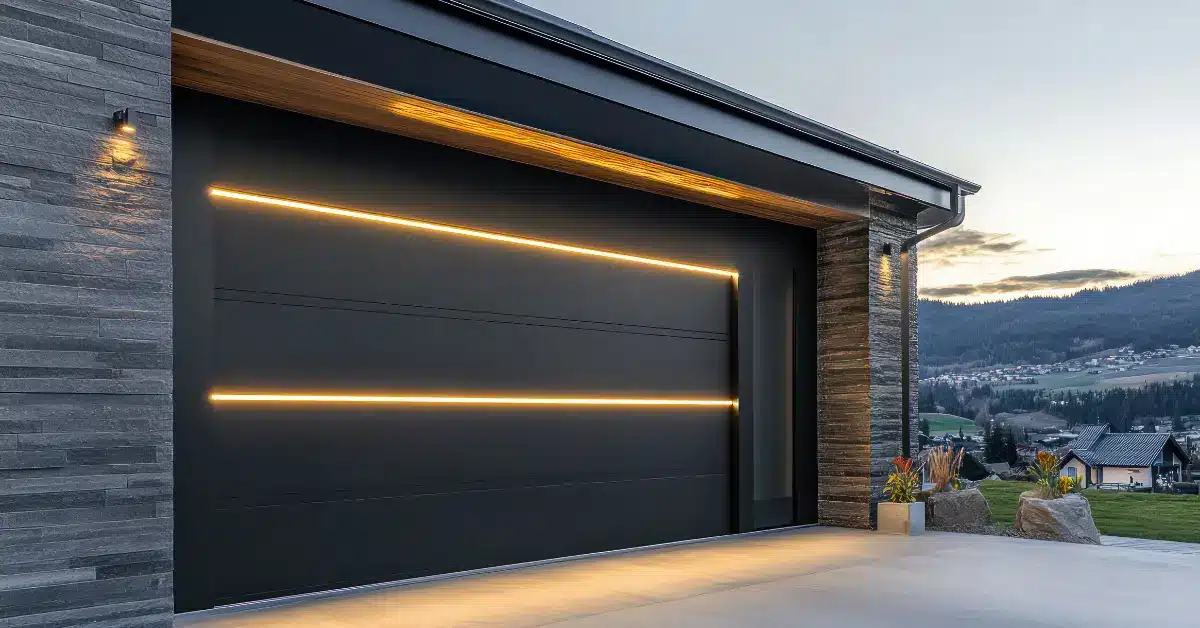
The Avante series from Clopay deserves special mention. These full-view aluminum units look absolutely stunning on contemporary houses. The sleek lines and glass panels create that modern aesthetic people love. We’ve installed quite a few of these recently. They transform a home’s entire appearance instantly.
You can customize the frame colors and glass options extensively. Frosted, tinted, or clear panels all create different vibes. An expensive garage door like this typically starts around three thousand. The price climbs with size and custom features. If you want your home to stand out, this collection delivers.

Choosing the Right Type of Door and Styles for Your Budget
Here’s how we help customers narrow down their choices:
- Set a realistic budget, including installation costs
- Decide which features matter most to you
- Consider your home's architectural style
- Think about insulation needs for your climate
- Factor in long-term maintenance requirements
The type of door you select affects everything else. Sectional roll-up models remain the most common and practical choice. They work well for most homes and budgets. An expensive garage door in sectional style offers better insulation and quieter operation than cheaper versions. Side-hinged and roll-up screen options exist, too, for specific situations.
Don’t forget about curb appeal when choosing styles. Your selection should complement your home’s existing look. A mismatched unit sticks out badly and can hurt resale value. We always recommend bringing photos of your house when shopping. It helps visualize how different options will actually look installed.
Getting Real Value From Your Expensive Garage Door Purchase
Value isn’t just about the sticker price. An expensive garage door that lasts twenty-five years costs less per year than a cheap one lasting ten. We’ve seen this play out countless times with customers. The upfront savings disappear when you’re replacing things twice as often. Quality components and professional installation make the difference.
Get multiple quotes before committing to anything. Ask about warranties, included hardware, and installation timelines. A reputable company answers your questions without pressure. They want you to be happy with your choice long-term. Take your time, do your homework, and invest wisely. Your home deserves a unit that performs reliably and looks great for years to come.
Frequently Asked Questions
Q: How much should I expect to spend on an expensive garage door?
A: Prices typically range from two thousand to over ten thousand, depending on materials and features. Steel insulated models usually fall between two and four thousand installed. Custom wood or full-view glass designs run higher. We recommend budgeting for professional installation, too. Cutting corners on installation often leads to problems later. Get itemized quotes from at least three companies before deciding.
Q: Do expensive units really save money on energy bills?
A: Yes, properly insulated models make a noticeable difference. High R-value panels prevent heat transfer effectively. Homes with attached spaces see the biggest savings. We’ve had customers report lower heating and cooling costs after upgrading. The savings add up significantly over fifteen to twenty years of use. Insulation quality varies widely between budget and premium options.
Q: How long does installation typically take?
A: Most professional installations finish within four to six hours. Complex custom orders might take a full day. We always schedule enough time to do the job right. Rushing leads to alignment issues and safety problems. Your installer should test everything thoroughly before leaving. Make sure the opener syncs properly and safety sensors work correctly.
Q: Can I install an expensive garage door myself to save money?
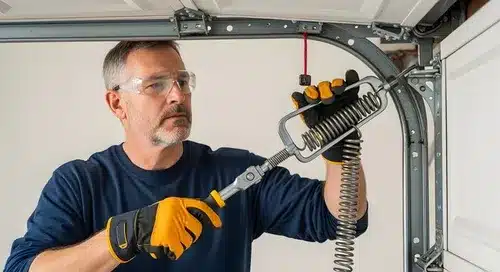
A: We strongly advise against DIY installation. These systems involve heavy panels and high-tension springs. Improper installation creates serious safety hazards. Professional installers have proper tools and training for this work. The money saved isn’t worth the risk of injury or damage. Most warranties also require professional installation to remain valid.
Q: What maintenance does a premium unit require?
A: Regular maintenance keeps any system running smoothly. Lubricate moving parts twice yearly with silicone-based spray. Check weatherstripping for cracks or gaps annually. Wipe down panels with mild soap and water as needed. Listen for unusual noises that might indicate problems. Professional tune-ups every few years catch issues before they become expensive repairs.