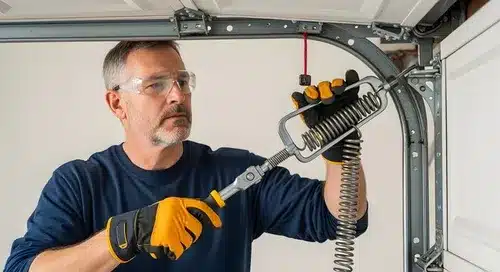

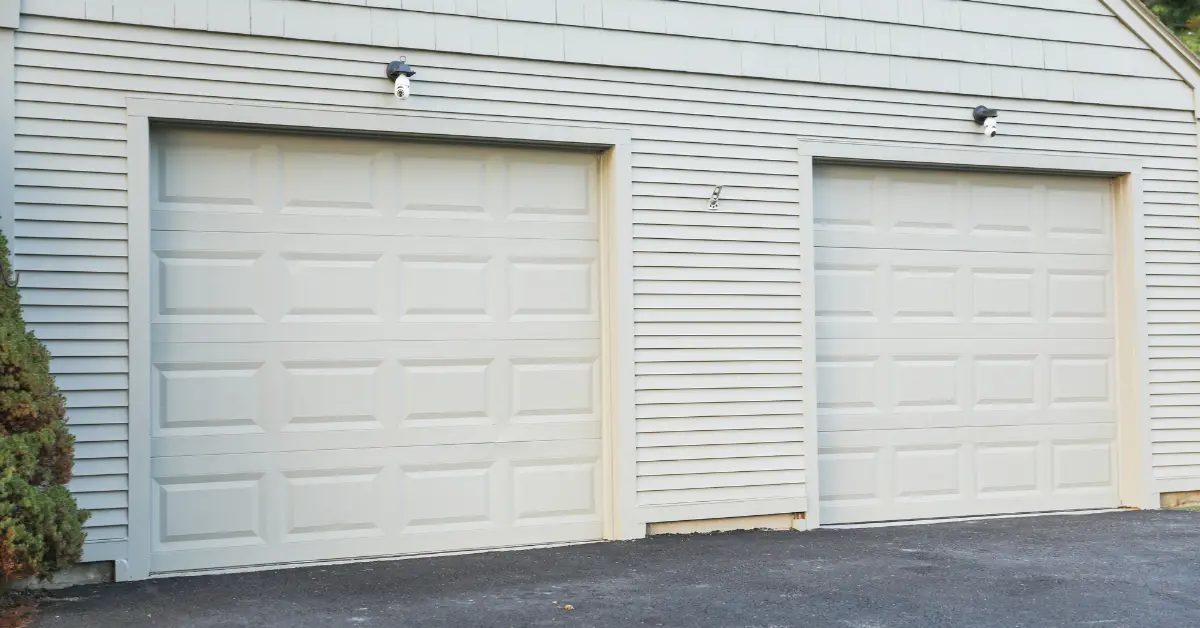
Getting the wrong garage door size is more common than you think. I’ve seen homeowners order panels that don’t fit, leaving gaps or requiring costly returns. At Pop’s Garage Doors, we handle these calls weekly. The good news? Measuring correctly takes just a few minutes. Whether you need a single, double, or custom option, picking the right garage door size protects your investment. This guide walks you through standard dimensions, measuring tips, and Maryland codes. By the end, you’ll know exactly what works for your space.
Why Choosing the Right Garage Door Size Matters
A mismatch causes real problems. Too small, and you’ll scrape mirrors or struggle to park. Too large, and you’re looking at frame modifications that cost thousands. I once helped a customer in Baltimore who bought a standard panel online. It was three inches too wide. The return shipping alone ate into their budget before we even started.
Beyond fit, the wrong garage door size affects your opener’s lifespan. An undersized unit strains the motor. An oversized one creates balance issues that wear down springs faster. When you choose the right option from the start, everything works together smoothly.
Energy efficiency matters too. Gaps let in drafts, raising your heating bills each winter. A properly fitted panel seals tightly against weather stripping. Getting the garage door size right saves money over time.
Common Garage Door Sizes for Residential Homes
Most homes fall into predictable categories. Builders follow industry standards, which makes replacement straightforward. However, older Maryland homes sometimes have non-standard openings. Always measure before assuming you know your garage door size.
Single Garage Door Sizes
A typical single car opening measures 8 or 9 feet wide by 7 feet tall. The 9-foot width gives extra clearance for trucks or SUVs with wider mirrors. Height varies based on the vehicle. Standard sedans fit fine at 7 feet. Larger trucks may need 8-foot clearance.
I recommend the 9×7 option for most single car setups. This garage door size offers flexibility if you upgrade vehicles later. The price difference between 8 and 9 feet is minimal compared to replacing everything down the road.

Double Garage Door Sizes
Two-car setups usually require 16 feet wide by 7 or 8 feet tall. Some homeowners prefer two single panels instead of one double. This choice depends on your preference and budget.
A double-panel looks cleaner and operates with one opener. Two singles offer redundancy. If one breaks, you still have access. I’ve installed both configurations across Maryland. Neither is wrong, just different priorities.
Commercial Garage Door Sizes and What to Expect
Commercial properties need bigger openings. Warehouses, fire stations, and RV storage facilities require custom solutions. Standard commercial dimensions start at 10 feet wide and go up from there. Determining the correct garage door size for these spaces takes careful planning.
For overhead applications, I’ve installed panels reaching 24 feet wide. These require heavy-duty tracks and industrial openers. The hardware alone weighs significantly more than residential components.
Sectional options work well for commercial spaces. They roll up vertically, saving interior clearance. This design allows forklifts and delivery trucks to pass through safely. If you run a business in Maryland, factor in your largest vehicle when planning.
Custom commercial work takes longer to manufacture. Lead times run 4-6 weeks, depending on specifications. Plan ahead to avoid delays in your project timeline.
How to Measure Your Garage Door Opening Correctly
Grab a tape measure and a notepad. This takes five minutes and prevents expensive mistakes. Accurate measurements determine the exact garage door size you need.
First, measure the width at the widest point of your opening. Check both the top and bottom. Older homes sometimes settle unevenly. Record the smaller number to ensure fit.
Next, measure the height from the floor to the header. Again, check both sides. Use the smaller measurement. For the headroom, measure from the top of your opening to the ceiling. You need at least 12 inches for standard tracks.
- Width at the top and bottom of the opening
- Height on the left and right sides
- Headroom above the opening
- Sideroom on each side of the tracks
- Backroom depth into the space
These five measurements tell us everything needed for proper installation. Bring them when you visit our showroom or call for a quote.

Maryland Regulations for Garage Door Installation
Maryland follows specific codes that affect your project. Ignoring them leads to failed inspections and fines. Understanding these rules helps you select the proper garage door size while staying compliant. Here’s what matters:
- Maryland Building Performance Standards (COMAR 09.12.31) – Requires proper structural support for openings. Consequences: permit denial and required modifications.
- International Residential Code (IRC) Section R309 – Mandates fire separation between living spaces and attached structures. Consequences: safety violations and insurance issues.
- Maryland Energy Efficiency Standards – Sets insulation requirements for climate zones. Consequences: higher utility costs and potential rebate disqualification.
Always pull permits for new installations. Our team at Pop’s Garage Doors handles the paperwork for Maryland customers. We verify compliance before starting any project.
Find the Right Size Garage Door for Your Home
Picking the correct garage door size doesn’t have to be complicated. Measure carefully, understand your options, and follow local codes. Whether you need a standard residential panel or a custom commercial solution, the process stays the same.
At Pop’s Garage Doors, we’ve helped Maryland homeowners for years. Our technicians bring experience with every type and model available. We’ll evaluate your space, recommend the best garage door size, and handle installation professionally.
Ready to get started? Contact us today for a free measurement consultation. Your perfect fit is just one call away.
Frequently Asked Questions
What is the most common garage door size for homes?
The most popular garage door size for single openings is 9 feet wide by 7 feet tall. For two-car setups, 16×7 feet dominates the market. These dimensions fit most standard builds constructed after 1980. Older homes may have smaller openings that require custom panels or frame modifications.
Can I install a larger panel than my current opening allows?
Yes, but it requires structural work. Widening an opening means cutting into framing and possibly relocating electrical. This adds significant cost to your project. Sometimes it’s worth it for RV storage or oversized vehicles. Get a professional assessment before committing.
How do I know if I need a custom garage door size?
If your measurements don’t match standard dimensions, you need custom work. Openings under 8 feet wide or over 18 feet typically require special ordering. Historic Maryland homes often fall into this category. Custom panels take longer to manufacture but fit perfectly.
What garage door size works best for an RV?
RV storage requires at least 10 feet of height and 12 feet of width. Larger motorhomes need 12-14 foot tall openings. The correct garage door size depends on your specific vehicle. Measure your RV’s height with antennas and AC units included.
Does garage door size affect the opener I need?
Absolutely. Heavier panels require stronger motors. A standard 1/2 horsepower opener handles most residential applications. Oversized or insulated options may need 3/4 horsepower or higher. Matching the opener to your panel prevents premature wear and ensures smooth operation.
How much does a non-standard garage door size cost compared to standard?
Custom panels typically cost 20-40% more than standard options. The exact premium depends on dimensions and materials. However, forcing a standard panel into a non-standard opening creates problems. Paying extra for the right garage door size saves money long-term.