
Is your garage door acting up? Maybe it’s making weird noises or not opening smoothly anymore. You might be tempted to grab some tools and fix garage door openers yourself. After all, how hard could it be? But hold on a second. Before you dive into that DIY project, let’s talk about some serious risks that might make you reconsider.
Common Signs of a Malfunctioning Opener and Troubleshooting Basics
Most of us notice when something’s wrong with our garage doors. Maybe it’s moving more slowly than usual or making strange grinding sounds. Sometimes the door might stop halfway or refuse to close properly. These are all signs that something’s up with your opener.
You can check a few things safely. Make sure the batteries in your remote are fresh. Check if anything is blocking the safety sensors near the floor. Sometimes cleaning the photo eyes (those little sensors) with a soft cloth can fix issues. But remember, these are just basic troubleshooting steps, not actual repairs to fix garage door openers.

The Hidden Dangers of DIY Garage Door Opener Repair
Let’s get real about the risks. Garage doors are heavy, usually weighing between 150 and 300 pounds. That’s like having a small piano hanging over your car and family. When you try to fix garage door openers without proper knowledge, you’re gambling with that weight.
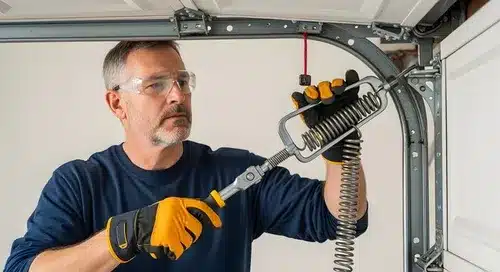
The system uses springs under extreme tension to balance that weight. These springs store enough energy to cause serious injuries if they snap. Plus, most opener systems connect to your home’s electrical system, adding the risk of shocks. What seems like a simple fix can quickly turn dangerous for the average homeowner.
Broken Springs and Cables: Why They're Particularly Hazardous
Springs and cables do the heavy lifting in your garage door system. They’re under constant tension, which makes them particularly dangerous to work with. When these parts wear out, they can break suddenly and violently.
A snapped spring can release energy like a whip, causing serious injuries to anyone nearby. The cables that help lift your door can also cause cuts or worse if they fray and break. These components require special tools and training to safely repair or replace. It’s not worth risking injury just to fix garage door openers on your own.
When to Call a Professional Garage Door Service
Some problems clearly signal it’s time for pro help:
- Your door falls faster than normal or seems unbalanced
- You hear loud bangs or snapping sounds
- The opener runs, but the door doesn't move
- The door reverses without hitting anything
- There's visible damage to springs, cables, or tracks
These issues often point to mechanical problems that need expert attention. Professionals have the right training and tools to safely fix garage door openers without putting themselves or your property at risk.
How to Inspect Your Garage Door for Serious Safety Sensor Issues
Safety sensors prevent your door from closing on objects, pets, or people. They’re critical safety features you should check regularly. Stand on both sides of your door and look for small devices about six inches from the floor. Each should have a small light.
When testing these sensors, place an object like a broom handle in the door’s path. The door should reverse immediately when closing. If it doesn’t stop and reverse, that’s a serious safety issue. Don’t try to repair or bypass these sensors yourself. Call a pro to fix garage door openers with sensor problems.

Why Professional Help is the Safest Way to Fix Garage Door Openers
Professional technicians train specifically for these repairs. They understand the mechanics and know how to safely handle the tension in springs and other parts. They also carry liability insurance, which protects you if something goes wrong during repairs.
The cost of professional service might seem high at first glance. But when you consider the potential for injury or further damage from DIY attempts, it’s actually quite reasonable. Plus, pros can spot other issues before they become major problems, saving you money in the long run.
So, Should You Fix Garage Door Openers Yourself?
For basic maintenance like lubricating moving parts or replacing remote batteries, DIY is fine. But for anything involving springs, cables, or electrical components, calling a professional is the smartest choice. Your safety is worth more than the money you might save.
Remember, garage doors are the largest moving objects in your home. They’re also ones we often take for granted until something goes wrong. When problems arise, resist the temptation to fix garage door openers yourself. Instead, call a qualified technician who can handle the job safely and correctly the first time.
Frequently Asked Questions
How do I know if my rollers need replacement or just lubrication?
Most quality systems last 15-25 years with proper maintenance. Springs typically need replacement every 7-10 years depending on usage.
If your unit is older than 15 years and needs major repairs, garage door replacement often makes more financial sense. Regular maintenance can extend the life of your system significantly.
What causes my opener to struggle with the weight of the door?
Typical repairs range from $150-$350 for common issues like spring replacement or sensor alignment. A complete garage door replacement costs between $800-$2,500 depending on size, material, and features.
While replacement costs more upfront, it eliminates the cycle of ongoing repairs that older systems often require.
How can I troubleshoot a misaligned track?
Yes! If your panels and tracks are in good condition, replacing just the opener is possible. This middle-ground option costs less than full garage door replacement while providing modern safety features and smartphone connectivity.
However, if your door shows signs of wear, replacing both components together ensures everything works perfectly as a system.
Why won't my keypad work even after replacing the batteries?
Smart openers are definitely worth considering! They offer remote access through your phone, letting you check if you left it open while away from home. Many models send alerts when the door opens or closes, adding security.
They also connect with home automation systems like Alexa or Google Home. Though they cost $50-150 more than standard openers, the convenience and peace of mind make them a popular choice during garage door replacement projects.
When should I use the emergency release mechanism?
Regular maintenance is key! Lubricate moving parts (rollers, hinges, springs) with silicone spray every 6 months. Tighten loose hardware and check for worn cables or springs. Test the auto-reverse safety feature monthly using a 2×4 laid flat on the ground.
Clean the tracks with a damp cloth and check the weather seal along the bottom. These simple steps can add years to your system and help avoid costly garage door replacement down the road.
How often should remotes need new batteries?
Absolutely! Today’s manufacturers offer incredible customization options. For mid-century modern homes, aluminum and glass combinations work beautifully.
Mediterranean styles pair well with arched designs and decorative hardware.
Even ultra-contemporary homes have options with flush panels and unique materials. During your garage door replacement consultation, bring photos of your home and examples of styles you like.
Most companies can create something that complements even the most unique architecture.